


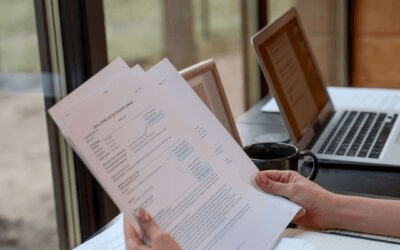
Everyone has seen it in the movies: a group of possible beneficiaries gathered in a solicitor’s office for a dramatic reading of their recently departed relative’s will. It’s a compelling visual, and many people believe it to be required. In actuality, this does not occur – there is no official reading of the will.
On this subject, it’s easy to combine fantasy and truth. Understanding the real process makes probate far less intimidating than film and television suggest.
There Is No Formal Will Reading
As a result, not all of the beneficiaries must be present when the will is reviewed. In most cases, as part of the executor’s duties, the executor is the only one who will (and must) read the will. It is their discretion whether or not to let others read it; no laws require them to do so.
Although some believe it would do more damage than good, the executor is legally entitled to decline when asked, even if that person is a family member.
When The Will Is Read
Before anybody else may read the will, the testator must be deceased. No one has the right to view (or, more importantly, alter) the testator’s will before he or she dies. Unless the testator wishes to reveal it to others, it should be kept secure, preferably under lock and key.
Movies will lead you to assume that the will reading takes place after the burial. This would be a mistake, since many people include funeral instructions in their wills. Most of the time, the will must be read as quickly as possible following the death. If the executor is not the person in charge of the funeral, that person should be permitted to examine the section of the will referring to the ceremony.
Contact Letter of Administration for professional will and probate advice on 020 3985 9555.